

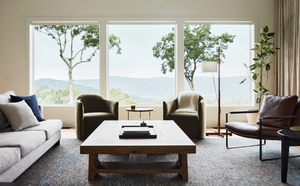
Most buildings ask humans to adapt.
Better lighting habits.
More discipline.
Stronger boundaries.
Better sleep hygiene.
The Wellness Architecture OS flips this logic.
The building adapts to the human.
When architecture is aligned with biology, regulation becomes automatic. No reminders. No motivation. No effort.
This is not a style.
It is an operating system.
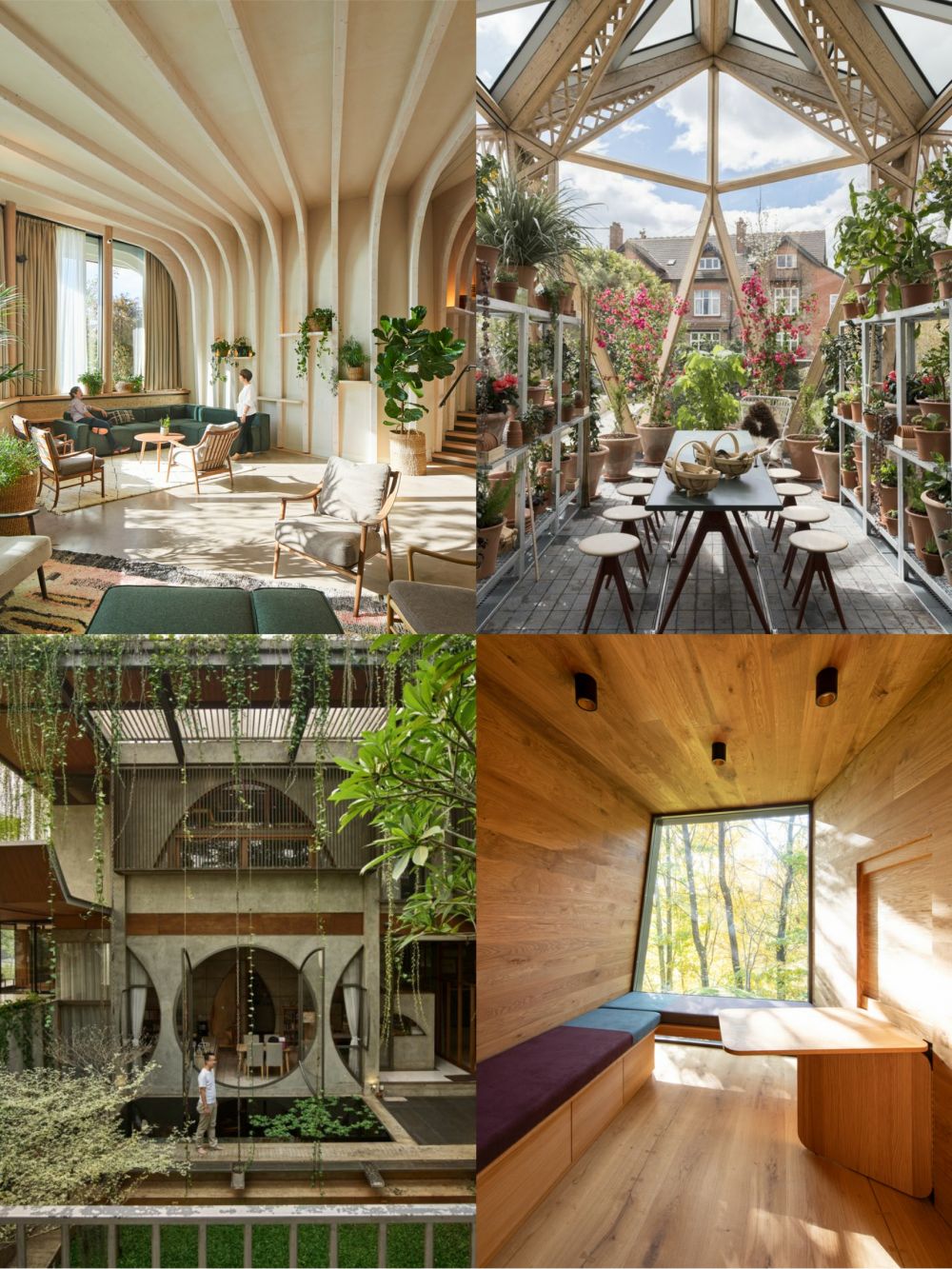
What a “Wellness Architecture OS” actually is
An OS is not décor.
It is a rule set that governs how a system behaves.
The Wellness Architecture OS defines how buildings:
- Regulate the nervous system
- Support circadian rhythm
- Reduce sensory threat
- Restore energy passively
If a space looks beautiful but leaves people wired, restless, or exhausted, the OS is broken.
The core operating principle
The body is the user interface.
If the body softens, the architecture works.
If the body tightens, the architecture fails.
This OS is judged by outcomes, not intentions.
Light OS: stabilising hormones and sleep
Light is the master regulator.
Bad lighting quietly destabilises sleep, mood, and immunity.
System rules
- Morning light reaches sleeping areas
- Midday light fills work and living zones
- Warm, low light only after sunset
- Full darkness possible at night
What this replaces
- Blue-heavy lighting
- Uniform brightness all day
- Overhead glare
Outcome
Sleep deepens.
Energy stabilises.
Mood improves without intervention.
Lighting is medicine.

Sound OS: removing background threat
The nervous system never stops listening.
Echo, hums, and mechanical noise keep the body in low-grade alert.
System rules
- Soft materials in all main spaces
- No echo when speaking
- Quiet zones protected
- No constant mechanical hum
What this replaces
- Hard, reflective interiors
- “Open-plan” noise chaos
- White noise dependency
Outcome
Conversations slow.
Breathing deepens.
Baseline stress drops.
Silence is regulation.
Air OS: supporting breath and cognition
Stale air is a cognitive depressant.
Fresh air improves clarity before you even notice it.
System rules
- Windows open daily
- Cross-ventilation wherever possible
- Fans before air-conditioning
- No chemical or synthetic smells
What this replaces
- Sealed buildings
- Overreliance on HVAC
- Artificial scenting
Outcome
Clearer thinking.
Less agitation.
Better emotional regulation.
Airflow supports the brain.
Material OS: grounding the nervous system
Your body feels materials before your mind labels them.
Synthetic-heavy spaces subtly fatigue the nervous system.
System rules
- Wood, stone, clay, lime
- Natural fibres where skin touches space
- Minimal plastic and gloss
What this replaces
- Plastic-dominant interiors
- High-shine, reflective finishes
- Disposable materials
Outcome
Grounded presence.
Less sensory overload.
More comfort without stimulation.
The body trusts natural materials.
Geometry OS: signalling safety through form
Shape communicates faster than words.
Harsh geometry signals control and compression. Balanced forms signal safety.
System rules
- Balanced room proportions
- Curves or softened edges where possible
- Avoid long, narrow corridors
- Visual symmetry in gathering spaces
What this replaces
- Endless straight lines
- Tight passageways
- Aggressive angles
Outcome
Jaw softens.
Shoulders drop.
Attention steadies.
Form regulates emotion.
Flow OS: restoring rhythm to daily life
Humans need transitions.
When homes prioritise efficiency over rhythm, stress accumulates.
System rules
- Clear separation between sleep, work, and rest
- Entry spaces that slow arrival
- Visual clutter minimised through storage
What this replaces
- Bedrooms as offices
- Instant transitions
- Constant visual noise
Outcome
Days feel structured without pressure.
Evenings unwind naturally.
Mornings begin calmly.
Good flow replaces discipline.
Tech Hygiene OS: protecting recovery
This is not anti-technology.
It is pro-sleep, pro-focus, pro-recovery.
System rules
- No screens in bedrooms
- Wi-Fi positioned away from sleep zones
- Minimal blinking lights at night
What this replaces
- Device-saturated sleep spaces
- 24/7 signal exposure
- Night-time stimulation
Outcome
Deeper rest.
Quieter mind.
Improved emotional resilience.
Recovery requires low signal.
How the OS works as a whole
Each layer supports the others.
Light improves sleep.
Sleep improves regulation.
Regulation improves relationships.
Relationships improve wellbeing.
This is why architecture is leverage.
Change the environment once.
Benefit every day.
Why this OS scales
The Wellness Architecture OS works for:
- Homes
- Retreats
- Workspaces
- Healthcare-adjacent environments
- Communities
It does not rely on beliefs, programs, or compliance.
The body responds automatically.
A simple test for any building
Stand still in the main space.
Close your eyes.
Breathe slowly.
If your body softens within 60 seconds, the OS is working.
If not, something is misaligned.
The deeper insight
Wellness is not something to add.
It is something to stop interfering with.
Architecture that respects biology removes friction. Health becomes the baseline, not the reward.
References & Evidence Base
This architecture model draws directly from the scientific synthesis presented in:
Callaghan, R.
SelfCare: Lifestyle Medicine for the People
SelfCare Global
Full reference list:
👉 https://www.selfcare.global/full-reference-list-from-the-selfcare-book-by-rory-callaghan/
Key domains include:
- Circadian biology
- Nervous system regulation
- Environmental psychology
- Biophilic design research