

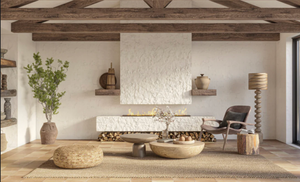
The Unifying Principle
Different cultures named the same truth differently.
- Feng Shui called it qi flow
- Japanese minimalism calls it ma (space, pause, interval)
- Old European architecture encoded it through proportion, sound, and light
- Modern science calls it nervous system regulation
Tartaria myths persist because people sense what modern buildings lost:
coherence.
Not free energy.
Not hidden tech.
Human-scale resonance.
Feng Shui Reframed (Biology, Not Belief)
At its core, Feng Shui is environmental psychology.
What Feng Shui Gets Right
- Entry sequence matters
- Clutter disrupts cognition
- Sharp angles increase stress
- Flow without obstruction calms the body
- Balance beats symmetry-as-decoration
How to Apply It Safely
Command position (modern translation):
- Beds and desks feel protected, not exposed
- You can see the door without being in line with it
Flow (not “energy”):
- Clear walking paths
- No dead ends of clutter
- Furniture supports movement, not obstacles
Elements (modernised):
- Wood → natural materials
- Water → sound, hydration, cooling
- Earth → stone, weight, grounding
- Metal → restraint, simplicity
- Fire → light, warmth, hearth
Result:
Lower vigilance. Faster settling. Better sleep.
Tartaria, Resonance, and What’s Actually Useful
Let’s be precise.
There is no evidence of lost global frequency grids or free-energy cities.
But there is evidence of something else.
What Old Architecture Did Well
- Proportion that fits the human body
- Thick materials that absorb sound
- Curves that soften acoustics
- Bells and domes that regulated time and attention
- Public spaces designed for coherence, not speed
This wasn’t advanced tech.
It was attentive design.
How to Use This Today
- Curves over sharp corridors
- Rooms close to square proportions
- Materials with mass and texture
- Sound considered as carefully as light
That’s resonance.
Not mystical. Biological.
Japanese Minimalism (Ma, Wabi-Sabi, and Nervous System Safety)
Japanese minimalism is often misunderstood as aesthetic restraint.
It’s actually cognitive kindness.
Core Principles
- Ma: space between things allows breath
- Wabi-sabi: natural imperfection reduces performance pressure
- Few objects, deeply chosen
- Nothing unnecessary in the line of sight
Built Impact
- Less visual noise
- Faster mental recovery
- Reduced decision fatigue
- Greater sense of quiet without silence
Minimalism here is not deprivation.
It is respect for attention.
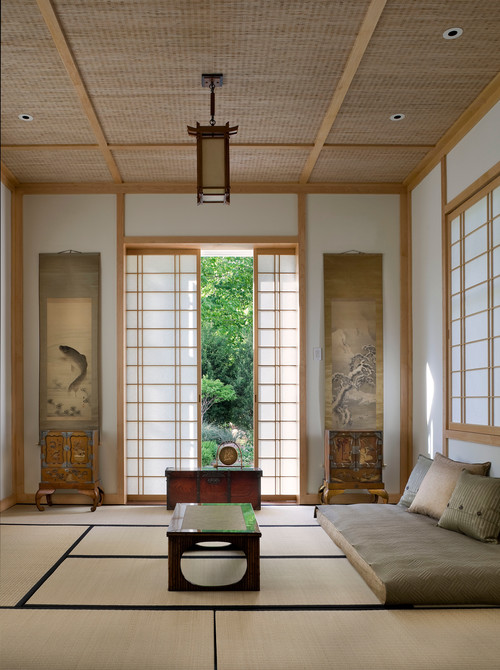
Eco-Luxe Regenerative Design (Beyond Sustainability)
Sustainability aims to do less harm.
Regenerative design aims to leave things better.
What Eco-Luxe Actually Means
- Passive comfort before mechanical systems
- Local, breathable materials
- Design that reduces energy demand by default
- Spaces that age well instead of wearing out
- Beauty as durability, not trend
Key Moves
- Orientation before insulation
- Shade before air-conditioning
- Ventilation before automation
- Fewer finishes, higher quality
- Buildings that invite care, not consumption
True luxury is not excess.
It is ease without effort.

The Integrated Home OS (All Four Combined)
Here’s how it all locks together.
Light
- Circadian-first (science)
- Soft, warm, layered (Japan)
- Avoid glare and sharp contrast (Feng Shui)
Sound
- Absorptive materials (biology)
- Curves and mass (old architecture)
- Quiet zones protected (all traditions agree)
Flow
- Clear paths and transitions (Feng Shui)
- No clutter, no rush (Japan)
- Human-scale movement (historic cities)
Materials
- Natural, imperfect, tactile (Japan)
- Heavy where grounding is needed (old stone)
- Low-tox, breathable, repairable (regenerative)
Form
- Gentle curves over hard edges
- Balanced, not sterile symmetry
- Spaces that feel safe before they look good
What This Rejects
To be clear, this system does not support:
- Free-energy claims
- Frequency gadgets
- Crystal grids
- “Quantum” décor language
- Tech fixes for sensory overload
Regulation comes from design choices, not devices.
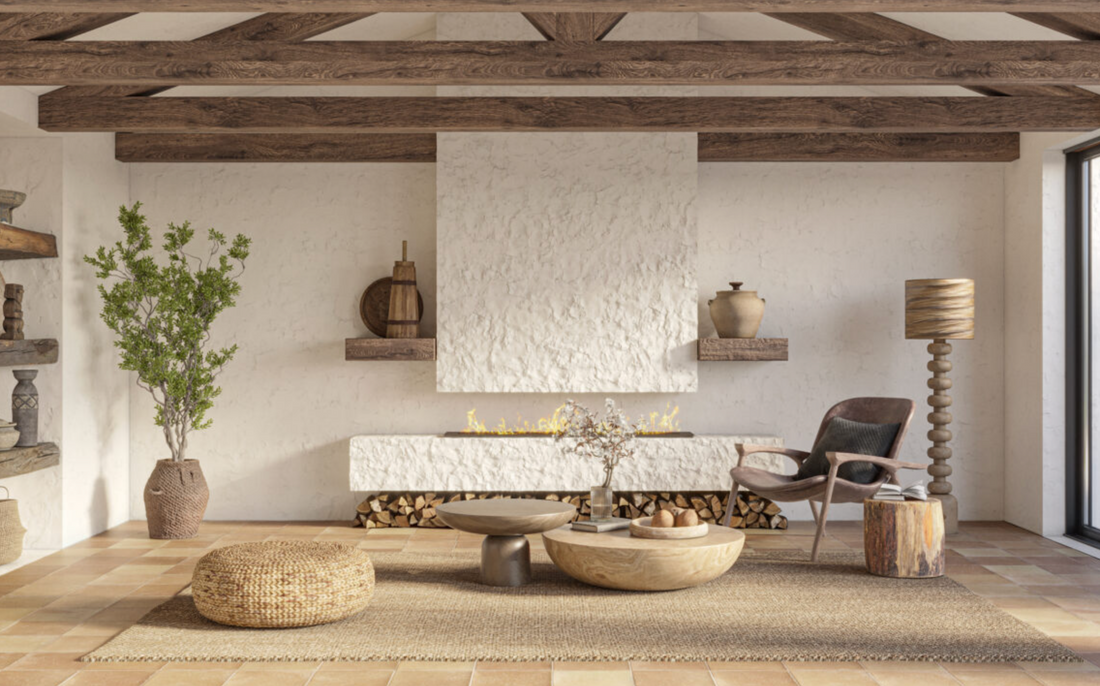
The Practical Test (Universal)
Every tradition agrees on this test.
Stand in the space.
Stop moving.
Breathe.
If the body softens within one minute, the design works.
If not, something is misaligned.
Fix the space.
Not the person.
Why This Matters Now
Modern homes overstimulate.
People blame themselves.
Older cultures designed environments that helped people regulate by default.
We don’t need to go backward.
We need to remember forward.
Fill your own cup first.
Serve from overflow.
SelfCare is not selfish—it creates a ripple effect from homes to cities to future generations.
References & Evidence Base
This integrated approach is grounded in the research synthesised in:
SelfCare: Lifestyle Medicine for the People
by Rory Callaghan
Full reference list (circadian biology, environmental psychology, biophilic design, stress physiology):
👉 https://www.selfcare.global/full-reference-list-from-the-selfcare-book-by-rory-callaghan/