

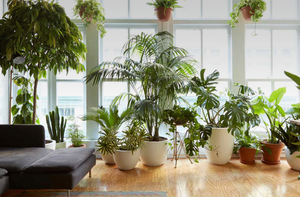
You don’t need a new home to feel better in your current one.
Most stress in apartments comes from light timing, noise, signal overload, and visual chaos—not square metres.
This guide shows how to retrofit calm into any apartment, renter-friendly, low cost, and immediately effective.
Start with the highest-return fixes first
Your nervous system responds fastest to three inputs:
light, sound, and signal.
Change these before buying furniture or décor.
Fix light timing before buying anything
Light is hormonal instruction.
Do this today
- Open curtains immediately on waking
- Sit near a window for 5–10 minutes in the morning
- Replace evening bulbs with warm (≤3000K) light
- Turn off overhead lights after sunset
- Make the bedroom fully dark at night (mask or curtains)
Result
Better sleep within days.
More stable energy without caffeine spikes.
Reduce echo and background noise cheaply
Most apartments are acoustically hostile.
Do this
- Add one rug per main room
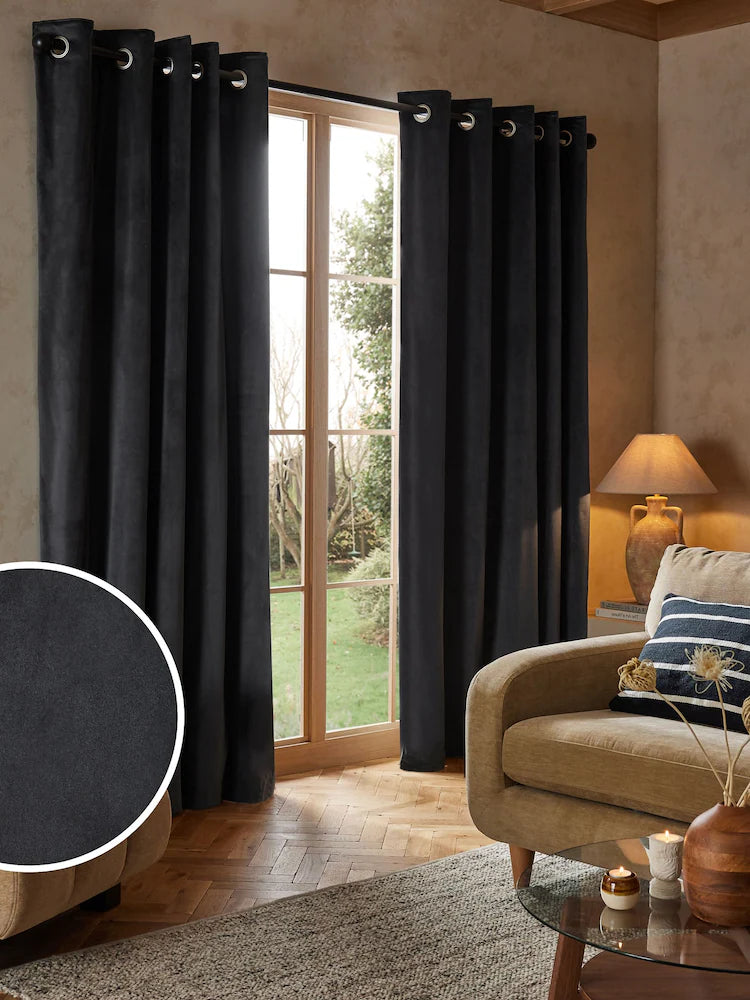
- Use fabric curtains, not blinds
- Place cushions or throws on seating
- Avoid empty corners that bounce sound
Quick test
Clap once.
If the sound dies quickly, the room is regulating.
Result
Calmer conversations. Less background tension.

Improve air without mechanical upgrades
Fresh air is cognitive fuel.
Do this
- Open windows daily, even briefly
- Create cross-ventilation when possible
- Use fans before air-conditioning
- Remove synthetic air fresheners
Result
Clearer thinking. Less agitation and headaches.
Swap contact materials, not everything
Your body senses what it touches.
Do this
- Natural bedding (cotton, linen)
- Wood, ceramic, or stone surfaces where possible
- Avoid plastic near the bed
- Matte finishes over glossy ones
Result
More grounded presence. Less sensory fatigue.
Create zones without walls
Apartments blur boundaries. Bodies need clarity.
Do this
- Sleep zone: no work, no screens
- Work zone: daylight, upright posture
- Rest zone: softer light, softer textures
Use rugs, lighting, or furniture placement—not renovations.
Result
Days feel structured without pressure.
Remove visual noise aggressively
Clutter is cognitive load.
Do this
- Clear surfaces before adding décor
- Store rarely used items out of sight
- Keep only what you touch weekly
Rule
If the eye has nowhere to rest, the nervous system stays alert.
Result
Quieter mind. Faster recovery after work.
Tech hygiene that protects sleep
This is not anti-technology.
It is pro-recovery.
Do this
- No screens in the bedroom
- Move Wi-Fi routers away from sleep zones
- Cover or remove blinking LEDs
- Charge devices outside the bedroom
Result
Deeper rest. Fewer 3am wake-ups.
Plants as regulation tools (not decoration)
Plants soften sound, light, and attention.
Do this
- One medium plant per main room
- Place plants near windows or corners
- Choose low-maintenance varieties
Result
Lower stress perception. More visual calm.
The 30-minute apartment reset
If you only have half an hour:
- Open windows
- Turn off overhead lights
- Add one rug or throw
- Clear one surface completely
- Move your phone charger out of the bedroom
That’s enough to feel a difference tonight.

The body test
Stand in your living space.
Close your eyes.
Breathe slowly for one minute.
If your shoulders drop, the retrofit is working.
If not, adjust light, sound, or clutter—not your mindset.
The deeper truth
You don’t need to escape your life to feel better.
You need environments that stop fighting your biology.
Fill your own cup first.
Serve from overflow.
SelfCare is not selfish—it’s how calm spreads through homes, families, and communities.
References & Evidence Base
This guide is grounded in the research backbone of SelfCare: Lifestyle Medicine for the People, integrating circadian biology, stress physiology, and environmental psychology.
Full reference list:
👉 https://www.selfcare.global/full-reference-list-from-the-selfcare-book-by-rory-callaghan/