

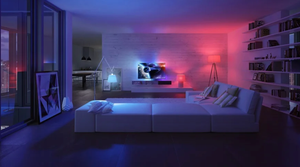
Light is not decoration.
Light is information.
Every cell in your body is running a clock.
Light sets that clock.
When the light is wrong, sleep breaks first.
Energy follows.
Mood goes next.
This is not preference.
It is biology.
Why Light Controls the Nervous System
Your brain uses light to decide one thing above all else.
Is it time to be alert or to recover?
Modern homes confuse this signal.
Bright nights.
Dim mornings.
Screens everywhere.
The nervous system never fully lands.
Older cultures solved this without knowing the words circadian rhythm.
They watched the body.
What Feng Shui Got Right About Light and Orientation
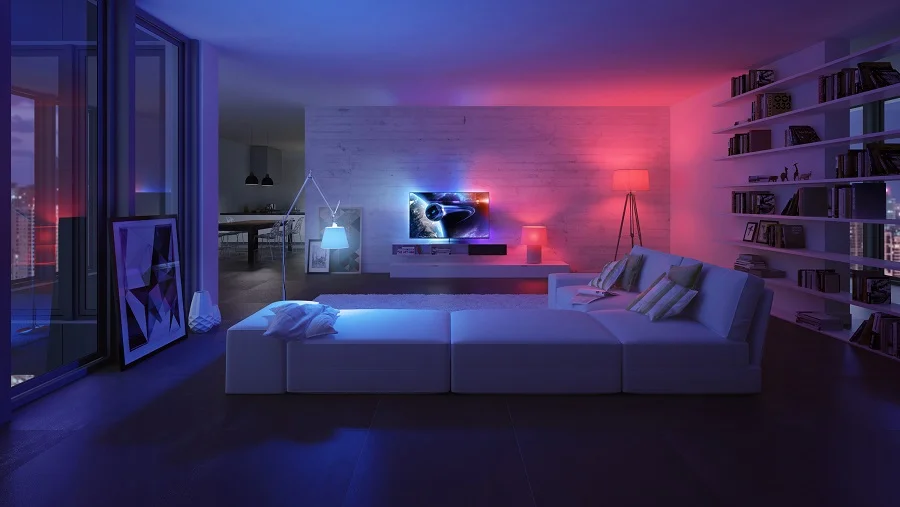
Feng Shui starts with orientation for a reason.
Morning light signals renewal.
Balanced light signals safety.
Harsh glare signals threat.
A bedroom that never sees morning light delays your internal sunrise.
That delay shows up as grogginess, anxiety, and poor sleep onset.
This is not mystical.
It is timing.
What Japanese Design Teaches About Soft Light
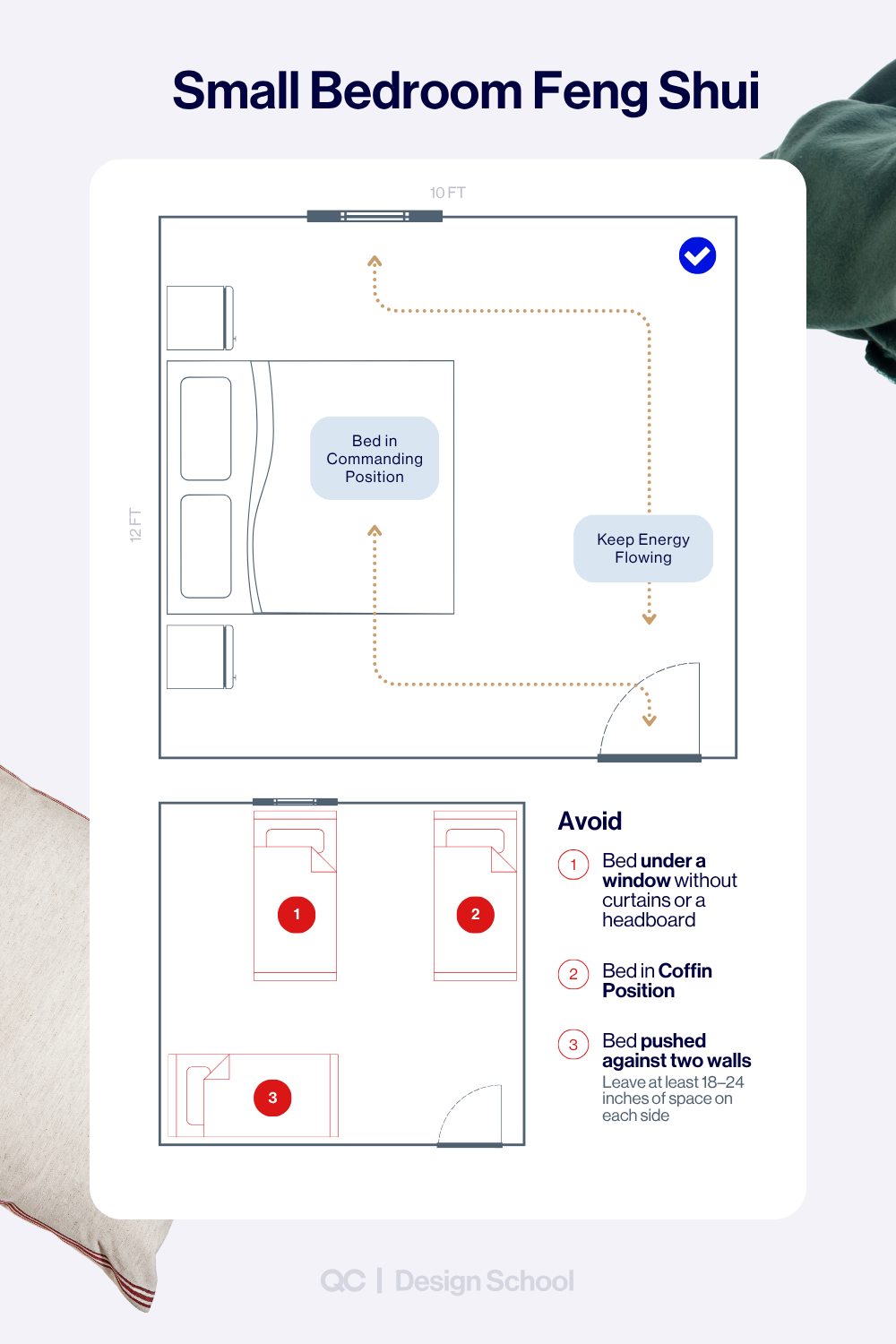
Traditional Japanese homes avoid glare.
Light is indirect.
Reflected.
Gentle.
Paper screens diffuse daylight.
Lamps glow, they do not shout.
This protects the nervous system from contrast stress.
The eyes relax.
The mind follows.
Modern lighting forgot this.
What Old Architecture Understood About Daylight
Before electricity, buildings depended on the sun.
Windows were placed with intent.
Rooms were used according to time of day.
Darkness was protected.
Cathedrals, homes, courtyards.
They all followed the same rule.
Day for activity.
Night for rest.
Simple.
Effective.
What Modern Science Confirms
Light entering the eyes sets hormone release.
Morning light anchors cortisol rhythm.
Darkness allows melatonin to rise.
When light timing is consistent:
- Sleep deepens
- Energy stabilises
- Mood improves
When light timing is chaotic:
- Sleep fragments
- Stress hormones rise
- Anxiety increases
This is now well established.
How to Apply the Light OS at Home
Do this.
- Morning light enters bedrooms
- Midday light fills living spaces
- Warm, low light after sunset
- Full darkness at night
This alone changes how you feel in seven days.
What to Remove First
Avoid this.
- Harsh downlights
- Blue light after sunset
- Glare and extreme contrast
If a room makes you squint or tense, the signal is wrong.
The Result You Should Expect
Better sleep.
Steadier energy.
Improved mood.
Not because you tried harder.
Because the environment stopped fighting you.
The Simple Test
Wake up.
Open the blinds.
Let light hit your eyes for five minutes.
At night, turn lights low.
Protect darkness.
Fill your own cup first.
Serve from overflow.
SelfCare is not selfish.
It is how regulated homes create a ripple effect of calmer people, families, and communities.
References & Evidence Base
This integrated approach is grounded in the research synthesised in:
SelfCare: Lifestyle Medicine for the People
by Rory Callaghan
Full reference list (circadian biology, environmental psychology, biophilic design, stress physiology):
👉 https://www.selfcare.global/full-reference-list-from-the-selfcare-book-by-rory-callaghan/