

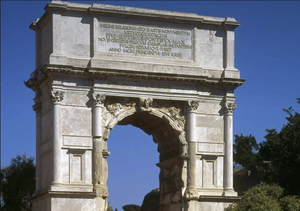
The idea of Tartaria as a lost civilisation powered by resonance and frequency is not history.
It is a signal.
A signal that something about old buildings feels better in the body than modern ones.
People step into cathedrals, old civic halls, stone homes, or historic cities and feel calmer. More present. Less rushed.
That experience is real.
The explanation is not secret technology.
It is biology.

What Tartaria actually was, and why that matters less than people think
Historically, “Tartaria” was a loose medieval European label for vast regions of Central and Northern Asia.
It was not:
- A single empire
- A hidden global civilisation
- A wiped-out super-technology culture
So if the history is wrong, why does the story persist?
Because it is trying to explain a real felt difference between old environments and modern ones.
What people mean by “resonance” in architecture
Resonance is not mystical.
It is physics interacting with biology.
In buildings, resonance shows up as:
- How sound carries
- How light moves
- How proportions feel
- How materials vibrate under touch
- How groups behave in shared space
Old architecture was designed around the human body.
Modern architecture is designed around efficiency, cost, and speed.
Why old buildings feel calmer to the nervous system
Older buildings consistently used:
- Thick walls
- Natural materials
- Curves, arches, domes
- Human-scale proportions
- Spaces designed for gathering and ritual
These features do three things automatically:
- Reduce sensory threat
- Support circadian rhythm
- Encourage coherent social behaviour
No belief required.
The nervous system responds first.
The real lesson of Tartaria for modern homes
The value is not in looking backward.
It is in extracting principles and applying them forward.
Old environments regulated humans without instruction.
That is the design brief modern homes forgot.

Geometry and proportion that signal safety
Your body reads shape before thought.
Sharp, narrow, compressed spaces signal control and vigilance.
Balanced proportions and curves signal safety.
Practical application:
- Avoid long, narrow corridors
- Use rooms closer to square than tunnel-shaped
- Add curves, arches, or softened corners where possible
- Design ceiling heights that allow full breath
This is not decoration.
It is nervous system communication.
Sound design instead of constant noise
Cathedrals were built so voices carried without shouting.
Stone, wood, and curved surfaces manage sound naturally.
Modern homes amplify noise.
Practical application:
- Rugs, curtains, fabric, timber
- No echo when speaking
- Quiet zones for rest
- Eliminate constant mechanical hum
If your home echoes, your body never fully stands down.

Light as biological timing, not brightness
Old buildings used daylight and darkness properly.
Modern homes flatten light into one constant level.
Practical application:
- Morning light in bedrooms
- Midday light in living areas
- Warm, low light after sunset
- Full darkness at night
Light tells your hormones what time it is.
Ignore that, and the body pays the price.
Materials that carry calm instead of fatigue
Stone, wood, clay, and lime feel different because they are different.
They carry vibration differently.
They age differently.
They breathe.
Practical application:
- Natural materials where skin touches space
- Minimise plastic and high-gloss finishes
- Use breathable walls and surfaces
The body trusts what feels alive.
Layout built around rhythm, not throughput
Old cities and homes had rhythm.
Entry. Gathering. Rest. Stillness.
Modern homes blur everything together.
Practical application:
- Clear separation of sleep, work, and rest
- Entry spaces that slow arrival
- Central gathering area
- No screens in bedrooms
When rhythm returns, stress drops without effort.
The myth of free energy versus the truth of free regulation
There is no evidence of lost global energy grids powering Tartarian cities.
There is overwhelming evidence that environments shape health.
The real “free energy” was this:
- Less stress
- Better sleep
- Stronger social cohesion
- More presence
That is regulation, not electricity.
Applying Tartaria’s real lesson to the Home OS
When you design for:
- Light
- Sound
- Proportion
- Material
- Rhythm
You restore resonance naturally.
Not mystical.
Biological.
This is the foundation of the Home OS.
One simple action you can take today
Stand in your main living space tonight.
Turn off overhead lights.
Switch to one warm lamp.
Open a window.
Sit quietly for one minute.
If your shoulders drop and breath slows, you just felt resonance.
The bigger picture
Old buildings remind us of something modern culture forgot.
Humans are biological before they are productive.
Fill your own cup first.
Serve from overflow.
SelfCare is not selfish.
It creates a ripple effect of calmer homes, steadier families, and more coherent communities.
Together, we rise as one.