

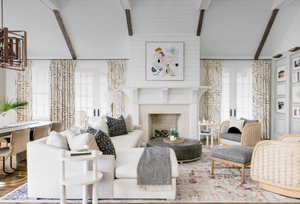
Silence is not emptiness.
It is regulation.
Your nervous system listens even when you don’t.
Long before thought.
Before emotion.
Before words.
Sound tells the body one thing first.
Am I safe here?
Why Sound Shapes Stress Without Permission
The brain evolved to track vibration.
Sharp noise means threat.
Echo means exposure.
Constant hum means vigilance.
Most modern homes are loud in quiet ways.
Hard floors.
Bare walls.
Mechanical noise that never stops.
You adapt.
Your nervous system does not.

What Feng Shui Understood About Calm Flow
Feng Shui avoids sharp disruption for a reason.
Sound that ricochets feels aggressive.
Sound that flows feels contained.
Spaces that soften sound signal protection.
Spaces that amplify sound signal danger.
This is not belief.
It is perception.
What the Tartaria Myth Accidentally Points To
Ignore the fantasy.
Keep the insight.
Old buildings used mass.
Stone.
Timber.
Thickness.
Mass absorbs vibration.
It slows sound.
It deepens tone.
Cathedrals did not shout.
They held sound.
That holding creates coherence in groups.
What Japanese Interiors Get Right by Default
Traditional Japanese homes are quiet by design.
Soft materials.
Low visual and acoustic contrast.
Minimal echo.
Silence feels safe, not tense.
That is not cultural luck.
That is intentional restraint.
What Modern Science Confirms
Chronic noise exposure raises stress hormones.
Even low level noise you stop noticing.
Especially low level noise.
The body stays slightly alert.
Sleep becomes lighter.
Speech speeds up.
Patience shortens.
Reduce background noise and people slow down naturally.
How to Apply the Sound OS at Home
Do this.
- Rugs, curtains, wood, fabric
- Curves or textured surfaces
- Quiet zones for rest and sleep
- No constant mechanical hum
If you clap your hands and hear echo, the room needs softening.

What to Remove First
Avoid this.
- Echoing rooms
- Exposed hard surfaces everywhere
- Always-on background noise
Silence should feel calm, not empty.
The Result You Should Expect
Lower baseline stress.
Slower speech.
Deeper rest.
Not because you meditated more.
Because the room stopped shouting.
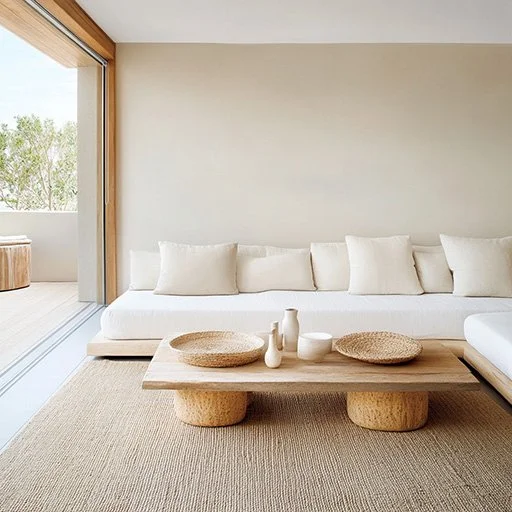
The Simple Test
Sit quietly in the evening.
If silence feels sharp, add softness.
If silence feels heavy, add texture.
When sound is regulated, conversations soften.
Sleep deepens.
Fill your own cup first.
Serve from overflow.
SelfCare is not selfish.
It is how calm homes create a ripple effect of regulated nervous systems and more human lives.