

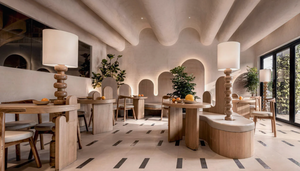
Shape speaks before language.
Before you decide how a space feels,
your nervous system already has.
Edges, angles, and proportions send instant signals.
Safe.
Neutral.
Or threatening.
Most modern buildings ignore this.
The body does not.
Why form regulates stress automatically
The human brain evolved in curved environments.
Horizons.
Trees.
Shelter with soft edges.
Sharp angles and long narrow corridors signal danger.
They resemble cliffs, traps, and compression.
You don’t think this.
You feel it.
Form sets baseline tension or ease.

What Feng Shui meant by “sharp attack angles”
This was never superstition.
Sharp angles direct force visually.
They point.
They intrude.
When beds, desks, or seating face hard angles, the body stays slightly alert.
Rounded forms disperse attention.
They signal containment and protection.
This is threat perception, not belief.
What the Tartaria myth accidentally highlights
Strip away the fantasy.
What remains is geometry.
Older architecture favoured:
- Arches
- Domes
- Thick walls
- Balanced symmetry
These forms:
- Distribute sound evenly
- Reduce visual aggression
- Create coherence in groups
Resonance came from proportion and mass, not hidden technology.
What Japanese restraint teaches about form
Japanese design avoids excess shape.
Nothing shouts.
Nothing dominates.
Forms are:
- Simple
- Balanced
- Human-scale
The absence of dramatic geometry allows the nervous system to settle.
Form supports function quietly.
What neuroscience confirms
Visual threat increases stress markers.
Irregular sharp geometry increases vigilance.
Balanced proportions reduce cognitive load.
Rooms closer to square proportions feel safer than long narrow spaces.
Curves lower physiological arousal.
This is measurable.
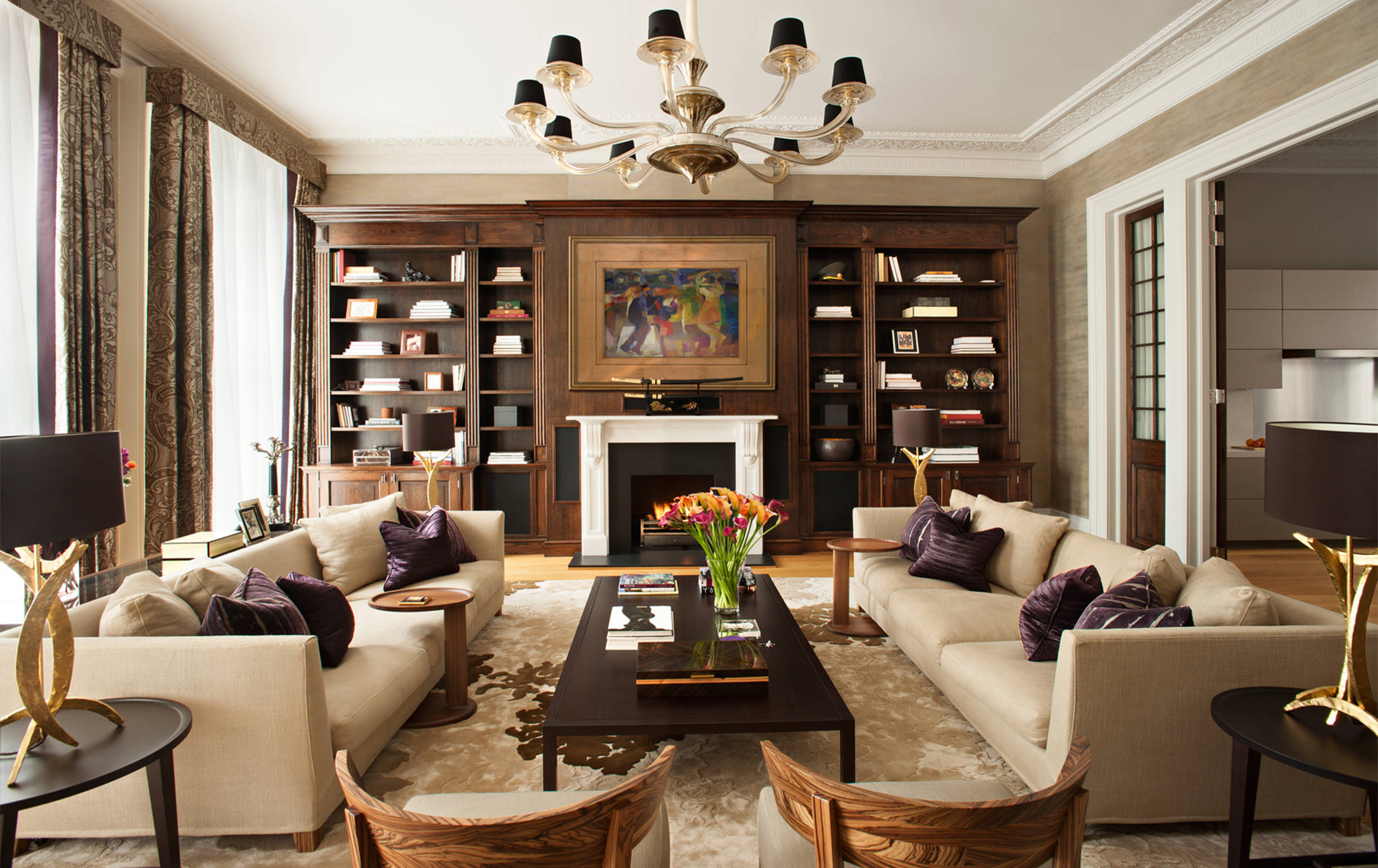
How to apply the Form OS at home
Do this.
- Gentle curves or rounded corners
- Rooms close to square proportions
- Balanced symmetry in gathering spaces
Even small changes help:
- Rounded furniture edges
- Circular tables
- Softened corners with plants or lighting
You do not need to rebuild walls to change perception.
What to avoid first
Avoid this.
- Long narrow corridors
- Aggressive angles everywhere
- Overdesigned feature geometry
If a room feels tense without reason, the shape is often the cause.
Where form matters most
Prioritise these spaces:
- Bedrooms
- Living rooms
- Dining areas
This is where the nervous system should downshift.
Kitchens and work zones can tolerate more edge.

The result you should expect
Jaw softens.
Shoulders drop.
Breath deepens.
The body trusts the space.
The simple test
Stand in the room.
Let your eyes relax.
If your gaze softens naturally, the form is working.
If your eyes dart or tighten, something is off.
Change the shape.
Not your mindset.
The deeper truth
Modern architecture often impresses the eye and ignores the body.
Older systems did the opposite.
When form supports safety, people become calmer without effort.
Fill your own cup first.
Serve from overflow.
SelfCare is not selfish.
It is how humane spaces create a ripple effect of steadier homes, healthier relationships, and clearer futures.
If you want next, I’ll write Tech Hygiene OS: Signal Load Management to complete the full Home OS sequence.