
Efficiency is not the same as ease.
Modern homes are designed to move bodies fast.
Humans are designed to move with rhythm.
Your nervous system needs transitions.
Not shortcuts.
Why Flow Shapes Mental Load
The brain tracks space the same way it tracks tasks.
Unclear space creates cognitive friction.
Too many options create low-grade stress.
Constant visibility creates exposure.
When everything happens everywhere, the mind never rests.
Flow is how a space tells you what to do next.
Without instructions.
Without effort.
Feng Shui and the Power of Arrival
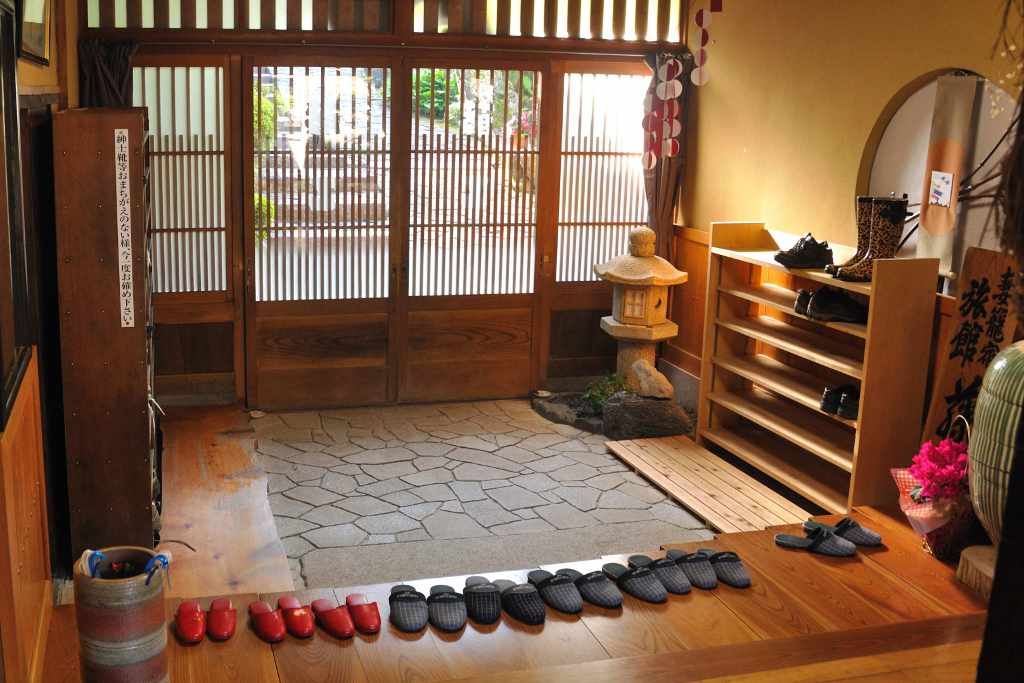
Traditional Feng Shui starts at the door.
Not decoration.
Sequence.
Arrival matters because the nervous system needs to shift states.
Outside world to inside world.
Public to private.
Alert to safe.
When you walk straight into chaos, the body stays on guard.
A slowed entry tells the body.
You are home now.
Japanese “Ma” and the Space Between Actions
Japanese design uses ma.
The pause between things.
Not empty space.
Intentional space.
Ma allows one action to end before the next begins.
Shoes off.
Bag down.
Breath out.
Homes that respect ma reduce mental noise without trying.

What Old Cities Got Right About Flow
Historic cities were walkable for a reason.
Short distances.
Clear zones.
Defined public and private space.
Movement had rhythm.
Modern homes often collapse everything into one open box.
The result feels flexible.
But it taxes attention all day.
What Environmental Psychology Confirms
Clear spatial zoning lowers cognitive load.
Defined transitions improve emotional regulation.
Visual simplicity improves focus.
When space tells a clear story, the mind relaxes.
You do not need willpower.
You need better layout.
How to Apply the Flow OS
Do this.
- Clear zones for sleep, work, rest
- An entry space that slows arrival
- Furniture that supports movement, not blockage
- Storage that hides visual noise
Each room should answer one question.
What happens here.
What to Remove First
Avoid this.
- Cluttered pathways
- Multi-use chaos rooms
- Straight-through sightlines that feel exposed
If you can see everything at once, the body feels watched.

The Result You Should Expect
Days feel structured without pressure.
Transitions feel natural.
Evenings arrive without effort.
You stop carrying the day through the house.
The Simple Test
Walk from the front door to the bedroom.
If your pace naturally slows, flow is working.
If you rush without meaning to, something is off.
Fix the path, not yourself.
Fill your own cup first.
Serve from overflow.
SelfCare is not selfish.
It is how coherent homes create a ripple effect of calmer people, better decisions, and more humane lives.
Next, I can write Material OS: Grounding Through Touch and show how surfaces quietly regulate the nervous system every day.